

The “Save America Act” Is Really Trump’s “Save Me Act”
The “Save America Act” may sound patriotic, but critics argue it’s another attempt to protect Donald Trump by undermining confidence in American elections and democratic institutions.
Donald Trump has always understood the power of branding. “Make America Great Again.” “Stop the Steal.” Now it’s the “Save America Act.” But there’s an ironic twist hiding in plain sight. Remove the letters A, R, I, C, A from the word America, and what remains is ME. Whether intentional or not, the phrase begins to look less like a patriotic slogan and more like a fitting description of Trump’s political strategy—a “Save Me Act.” Nearly every major speech, rally, legal defense, and fundraising appeal eventually returns to the same subject: Donald Trump. His legal troubles become attacks on America. His investigations become political persecution. His critics become enemies of the people. His survival becomes synonymous with the nation’s survival. That’s not a movement centered on the Constitution; it’s politics centered on one man.
Americans remember the “Big Lie” of 2020. Despite more than sixty unsuccessful court challenges and repeated reviews that found no evidence of widespread fraud capable of changing the election’s outcome, Donald Trump continues to insist the election was stolen. One fact is often overlooked in these conversations: Trump himself was President during that election. His administration oversaw the Department of Justice, appointed the FBI Director, and led the executive branch responsible for investigating federal election crimes. If the election was truly stolen on the scale he claims, it happened while he occupied the Oval Office and while his administration controlled the agencies responsible for enforcing federal law. That contradiction deserves far more scrutiny than it receives.

Now, years later, election fraud remains one of Trump’s favorite political themes. Once again, Americans are told that democracy is under attack. Yet Republicans currently control the White House, the House of Representatives, the Senate, and hold a conservative majority on the Supreme Court. If elections are hopelessly rigged, why are Republicans winning so many of them? The more likely explanation is that claims of election fraud have become less about evidence and more about strategy. Convince supporters that elections cannot be trusted unless Trump wins, and every future defeat can be dismissed before a single ballot is counted. Confidence in democratic institutions is replaced by confidence in one political figure. History reminds us that democracies become fragile when loyalty shifts from constitutions to personalities.
Ironically, this strategy creates another problem. Trump has spent years persuading millions of Americans that elections are routinely manipulated. It should come as no surprise that some Americans have begun questioning the integrity of the 2024 election as well. To date, there is no publicly established evidence demonstrating that the 2024 presidential election was rigged. But distrust, once deliberately cultivated, doesn’t stop at convenient political boundaries. If citizens are repeatedly told that elections cannot be trusted, some will inevitably question elections that favor the very politicians making those claims.
At the same time, questions surrounding Donald Trump’s conduct have hardly disappeared. Critics continue to argue that he has used political power to benefit himself, his businesses, and wealthy allies. Calls continue across the political spectrum for the release of the remaining unredacted government records related to Jeffrey Epstein so the public can better understand the full scope of Epstein’s network. Public reporting has also documented that multiple women have accused Trump of sexual misconduct over the years, allegations that he has consistently denied. Whatever the facts ultimately reveal, transparency and accountability should apply equally to every public official. No one should be shielded from scrutiny because of political influence or office.

Perhaps the greatest challenge facing America today is not a foreign adversary but the gradual erosion of trust in its own democratic institutions. The Constitution was written to limit the power of government and ensure that no president, regardless of popularity, stands above the law. It depends on Congress exercising oversight, courts remaining independent, journalists asking difficult questions, and citizens valuing constitutional principles above partisan loyalty. Yet today, relatively few Republican leaders publicly challenge Donald Trump, despite occasional reports of private disagreements. Whether motivated by conviction, political calculation, or fear of political consequences, that silence has implications for the health of our democracy.
That brings us back to the “Save America Act.” Americans should ask a simple question: Who is really being saved? When every investigation becomes a witch hunt, every prosecutor is portrayed as corrupt, every journalist is dismissed as fake news, every election is declared rigged, and every criticism is framed as an attack on America, the line between defending the nation and defending one individual begins to disappear.
Maybe the name is more revealing than its authors intended. Remove a few letters from America, and you’re left with ME. That may simply be wordplay, but it also serves as a powerful metaphor for a political movement that increasingly asks Americans to place their faith in one man instead of the constitutional system that has sustained this republic for nearly two and a half centuries.
America has never depended on one president for its survival. It has depended on citizens who understand that our highest loyalty belongs not to a political party or a political leader, but to the Constitution itself. If we lose sight of that principle, no act of Congress will be enough to save America.
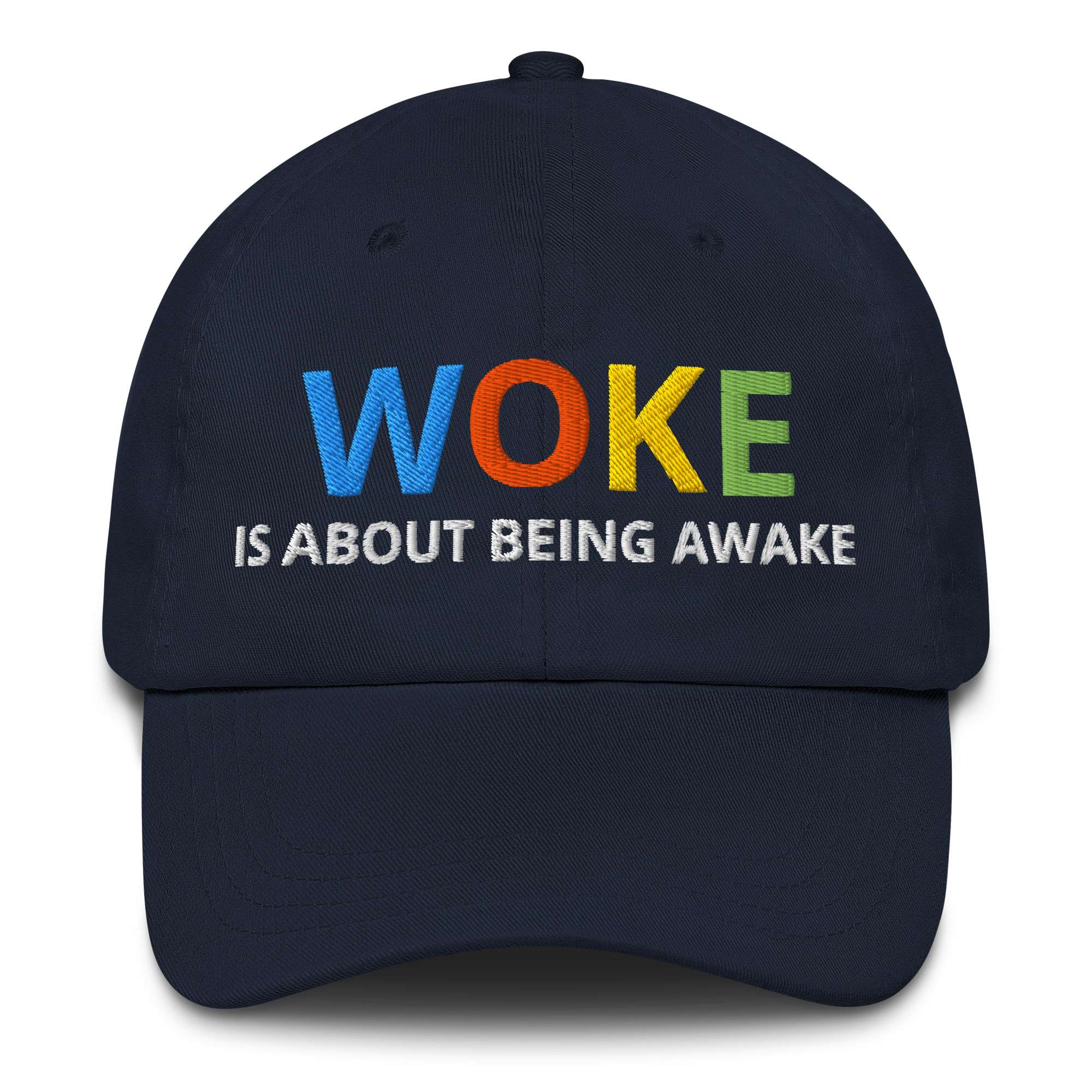
THINGS YOU CAN DO
- Email/Call/Write your Federal elected officials
- Even better – visit them in person, express your views! Find events
- Join local groups such as MoveOn, Indivisible
- Attend your local Council, School Board meetings
- Run for office
- Events and programs for candidates or party committees

By Peter McKinnon
This article was researched, edited, and refined with the assistance of ChatGPT. All opinions, conclusions, and editorial viewpoints are those of the author.
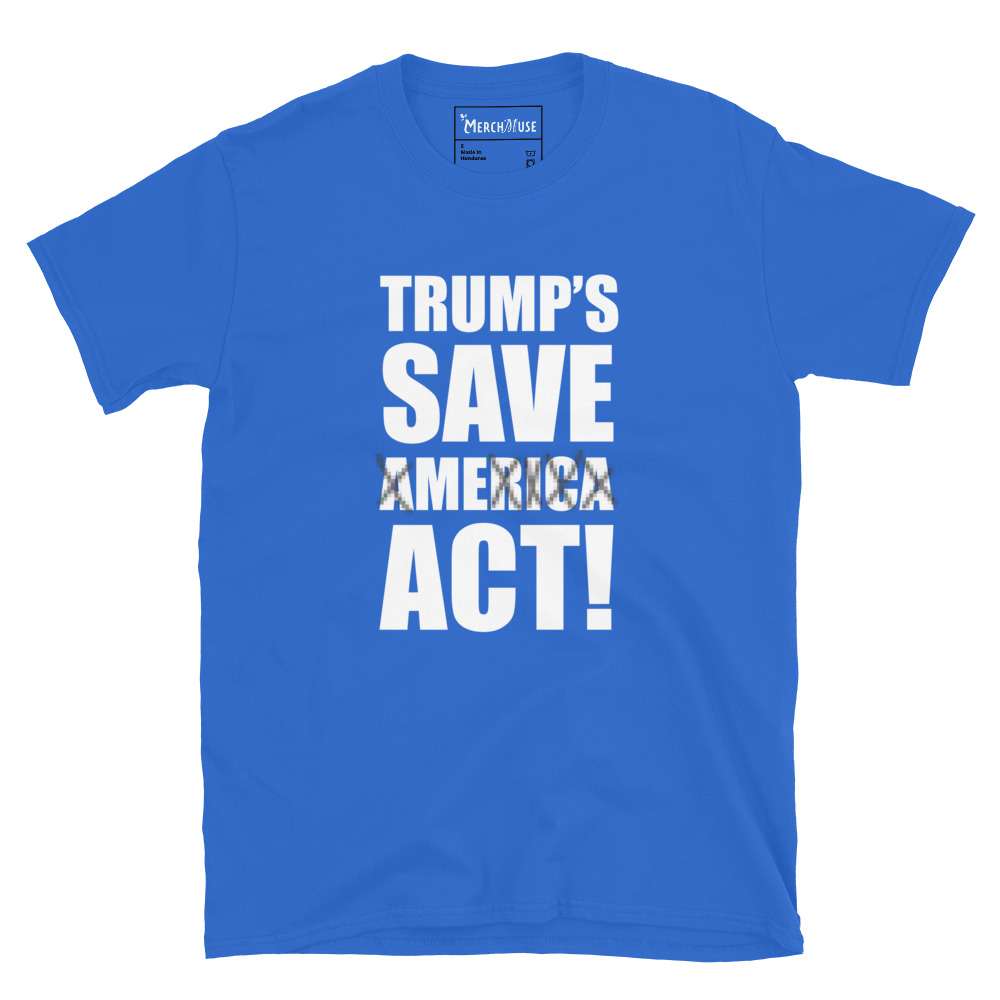
If this article resonated with you, consider supporting our work at MerchMuse.shop. Every purchase directly fuels the writing, research, and creative effort behind 6th Sense Solutions. We don’t rely on corporate sponsors or political machinery—we rely on readers who believe thoughtful analysis, creative resistance, and principled dialogue matter. When you wear or share our designs, you’re not just buying a product—you’re helping sustain independent voices committed to clarity, accountability, and forward-thinking solutions.
If you value what you’re reading, this is a meaningful way to keep it going.
